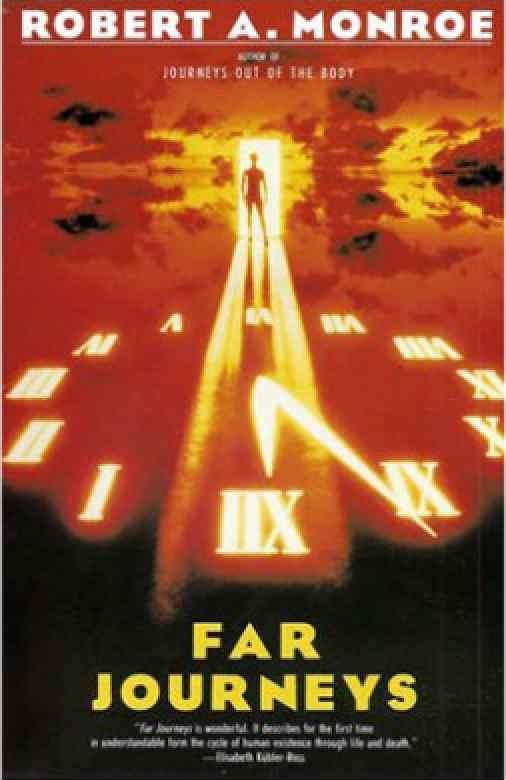
A broadcaster and inventor who turned his own unexpected experiences into a lifelong exploration of consciousness.
An explorer by experience
Robert A. Monroe (1915-1995) came to consciousness research through a working life in broadcasting: writing, directing and producing radio programs. His experience with sound led him to investigate sleep and learning, often trying the experiments himself. In 1958, he began having what he described as out-of-body experiences. He recorded his observations and spent decades developing practical sound-guided exercises. His voice leads the original Discovery recordings, carrying that personal curiosity into the home Gateway Experience.
His books are his own accounts. Readers bring their own curiosity and conclusions.
What about Bob?
1915
Born October 30. Grows up in Kentucky and Indiana.
1937
Graduates from Ohio State University, then writes and directs for radio.
1953
Monroe starts RAM Enterprises in New York. His team produces radio dramas and quiz shows, sometimes as many as 28 programs in a month.
1956
His production company opens a sound research division to investigate how sound patterns affect consciousness, including whether people can learn in their sleep. Monroe often tries the experiments himself.
1958
Begins having what he described as out-of-body experiences.
1971
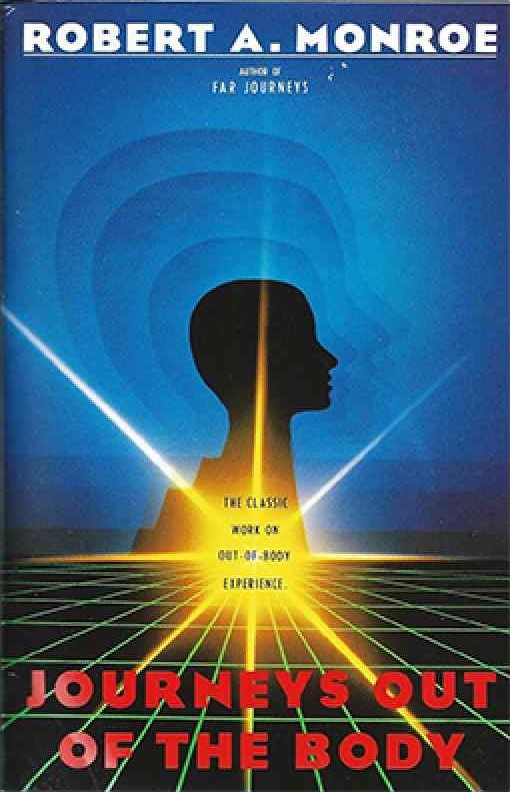
Publishes Journeys Out of the Body. In his own history of the research, Monroe dates the creation of the Institute to 1971, broadening the group's exploration of consciousness.
At Esalen in Big Sur, California, Monroe leads a Gateway workshop using guided sound exercises. Requests for more sessions develop the experiment, first called M-5000, into Gateway Voyage. Participants' accounts help him revise the exercises.
1975
Hemi-Sync, short for hemispheric synchronization, enters commercial use for consciousness research on May 20, according to his company's later trademark filing. Separately, that day Monroe receives a U.S. patent for using sound to induce and maintain stages of sleep.
1981
By June, the Institute offers Discovery to members as six cassettes with a guide for practicing at home. The publisher records July 15, 1981 as the first commercial use of the Gateway Experience name on recordings.
1983
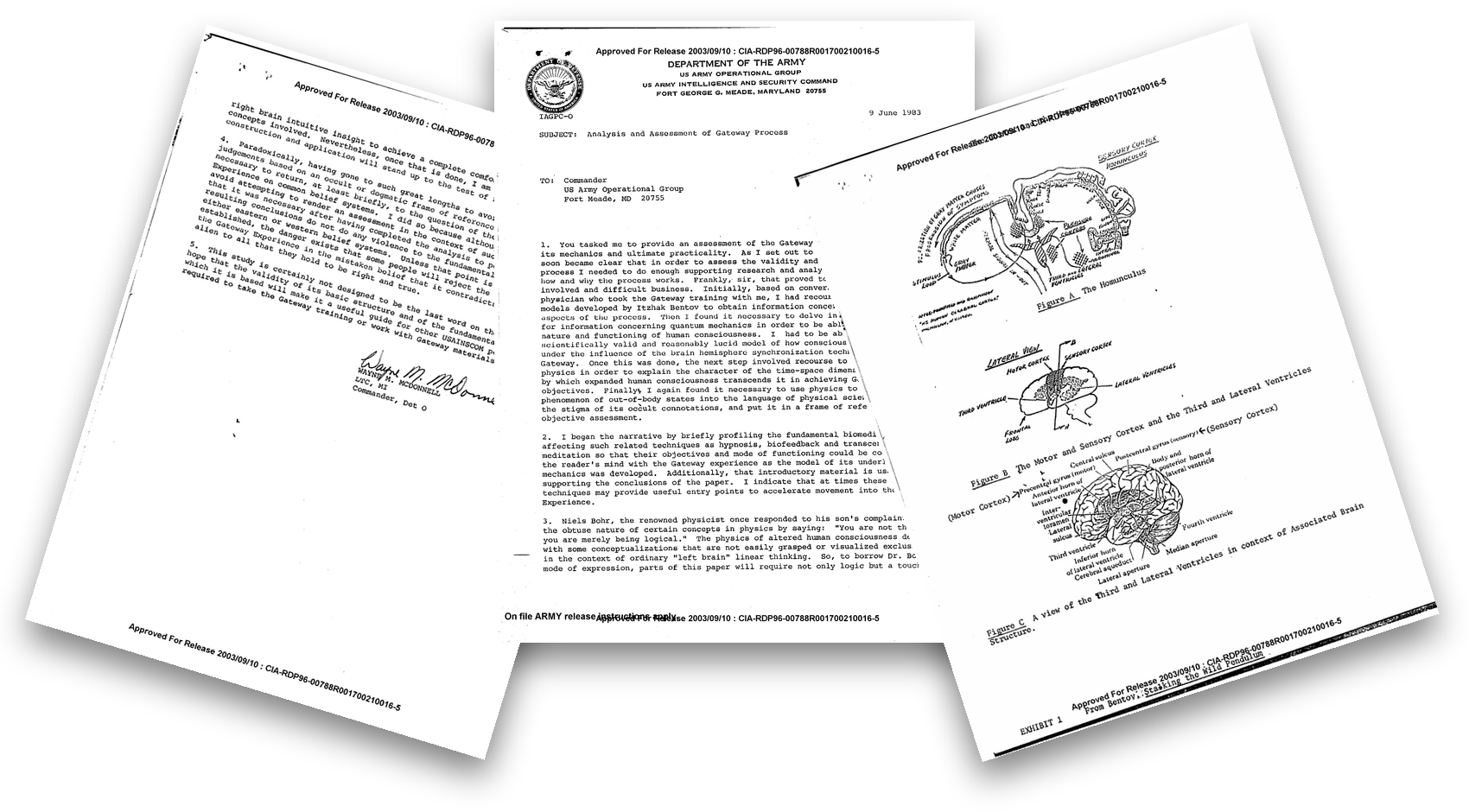
The U.S. Army assesses Gateway’s potential research value. The memo later becomes public through the CIA Reading Room; it is not CIA-authored or scientific endorsement.
Wayne M. McDonnell writes a U.S. Army Intelligence and Security Command memo assessing how Monroe’s Gateway Experience was meant to work and its possible practical research value. Later made public through the CIA Reading Room, the memo was not written by the CIA and is not proof or endorsement.
Monroe opened the door. Today, accessible EEG, AI, and a connected community give us new ways to explore the questions he left us. We honor his curiosity by sharing what we find, questioning what we think we know, and following the evidence together.




 Read the memo on Wikisource (opens in a new tab)View the scan on Wikisource (opens in a new tab)